

She Shed or Sewing Studio? How Montana Women Are Turning Miller Barns Into Their Dream Creative Space
If you’ve ever searched for a she shed Montana idea or gone down the rabbit hole of seing shed ideas, you’ve probably realized something quickly, this isn’t just about adding a small building to your backyard. It’s about creating a space that feels entirely your own.
Across Western Montana, from Missoula to Kalispell, more women are rethinking what a backyard structure can be. What starts as a simple shed often becomes a creative retreat, a quiet workspace, or even a fully functional sewing studio.
And somewhere along the way, the question naturally comes up: Is this a she shed… or something more specific?
What’s the Difference Between a She Shed and a Sewing Studio?
At first glance, they sound interchangeable. But the intention behind the space can shape how it’s designed.
A she shed is usually:
A personal escape
Designed for relaxation, reading, or hobbies
Styled with comfort and aesthetics in mind
A sewing studio leans more toward:
Functionality and workflow
Storage for fabric, tools, and machines
Lighting and layout that support detailed work
In reality, most people land somewhere in between, a hybrid space that feels peaceful and practical.
Why This Trend Is Growing in Western Montana
There’s something about Montana living that makes a backyard studio especially appealing.
Wide-open space, quieter surroundings, and a strong DIY culture all play a role. Whether it’s a craft shed western Montana setup or a full backyard studio shed, the idea is the same: bring your creative life closer to home without sacrificing space inside the house.
For many homeowners, it also solves a practical problem:
Spare rooms are already taken
Kitchen tables aren’t ideal for long projects
Shared spaces make it hard to focus A dedicated shed changes that completely.
Designing a Space That Actually Works
This is where things get interesting. The difference between a shed you use occasionally and one you rely on daily comes down to thoughtful design.
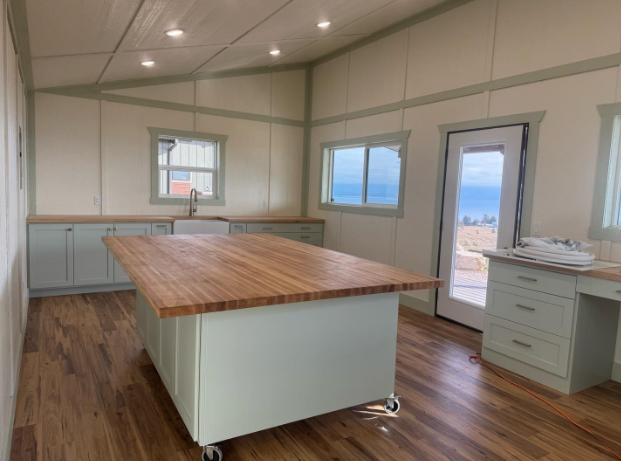
Natural Light Is Everything
For sewing, crafting, or detailed work, lighting isn’t optional.
Most people prioritize:
Larger windows
Strategic placement for all-day light
Doors that bring in additional brightness
Natural light doesn’t just help you see better, it makes the space more inviting, which means you’ll actually want to spend time there.
Smart Storage (Especially for Sewing)
If you’ve ever worked with fabric, you know how quickly things can pile up.
A well-designed sewing shed often includes:
Built-in shelving
Wall-mounted organizers
Hidden storage under worktables
This is where sewing shed ideas become practical rather than just aesthetic.
Loft Space Changes Everything
One feature that keeps coming up in she shed with loft Montana designs is vertical storage.
A loft can be used for:
Storing fabric and supplies
Keeping seasonal items out of the way
Creating a cozy reading or break area
It’s a simple addition that dramatically increases usable space, especially in smaller footprints.
Comfort Matters More Than You Think
Even if the primary goal is productivity, comfort plays a huge role.
That might include:
Insulation for year-round use
Heating for colder months
Proper ventilation
Without these, even the most beautiful shed can end up unused during parts of the year.
The Balance Between Aesthetic and Function
Here’s where some people get stuck.
It’s easy to lean too far in one direction:
A space that looks beautiful but isn’t practical
Or one that works well but feels uninspiring The best setups strike a balance.
A custom she shed in Kalispell, for example, might include:
Clean, functional workstations
Warm finishes and personal décor
Enough flexibility to evolve over time
Midway through planning, this is often when people start exploring options from builders like Miller Barns, not because they’re looking for something flashy, but because customization becomes essential.
A Real Consideration: Will You Actually Use It?
This is worth pausing on.
A backyard shed sounds great in theory, but it only becomes valuable if it fits your routine.
Some honest questions to ask:
Will you use it daily, weekly, or occasionally?
Do you need it year-round?
Is it a workspace, a retreat, or both?
If the answer is “both,” then your design needs to reflect that.
That might mean:
A large central table for projects
A comfortable corner for breaks
Flexible storage that adapts as your hobbies change
Why Customization Makes the Difference
Pre-built sheds can work, but they often require compromises.
When people start looking into she shed Missoula or Kalispell options, they realize that small details matter:
Window placement affects lighting quality
Door size impacts accessibility
Interior layout determines how usable the space really is
This is where customization shifts the experience from “just a shed” to something that feels intentional.
Toward the later stages of planning, many homeowners revisit providers like Miller Barns to fine-tune those details based on how they actually plan to use the space.
The Emotional Side of a Backyard Studio
There’s also something less tangible happening here.
For many women, this isn’t just about crafting or sewing, it’s about having a space that’s entirely their own.
A place where:
Projects can stay out without being packed away
Time feels slower and more focused
Creativity isn’t competing with daily distractions
That’s what turns a simple backyard studio shed into something meaningful.
She Shed Montana: Building a Space You’ll Actually Use
The difference between a shed that looks good and one that becomes part of your daily life often comes down to how thoughtfully it’s designed, and for many Montana homeowners, that clarity tends to come together somewhere along the process with Miller Barns.
FAQs
What is the difference between a she shed and a sewing shed?
A she shed is typically more about relaxation, while a sewing shed is designed for function, but many people combine both into one space.
How much space do I need for a sewing studio shed?
It depends on your setup, but most people find that even a modest shed can work well with smart storage and layout planning.
Can I use a she shed year-round in Montana?
Yes, with proper insulation and heating, many sheds are used comfortably throughout all seasons.
What features should I prioritize in a craft shed?
Natural light, storage, and workspace layout are usually the most important elements.
Is it better to customize or buy a pre-built shed?
Customization often leads to a more functional and enjoyable space, especially for specific uses like sewing or crafting.


Comments