

Do You Need a Permit to Build a Barn or Storage Shed in Montana?
Thinking about adding a barn or storage shed to your Western Montana property? One of the first things most people wonder is whether a permit is required, and it’s a smart question to ask early on. Building any structure is an investment of time, money, and effort, so the last thing you want is to run into unexpected zoning issues or delays after you’ve already started planning.
If you’re looking for a storage shed, it’s helpful to understand the basic permit rules in Western Montana. Requirements can vary depending on the size of your shed and where you place it on your property, but knowing the basics can save you time and stress. That way, you can plan your project with confidence and avoid any surprises along the way.
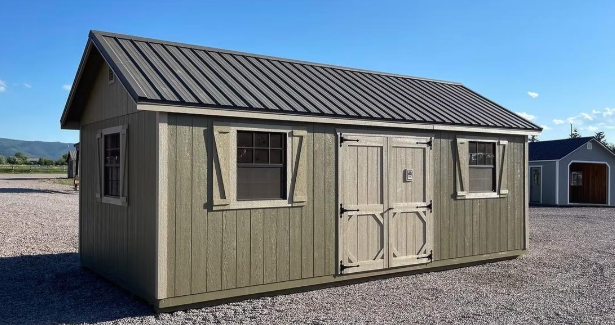
Understanding Montana’s Permit Requirements for Barns and Sheds
Permit requirements in Montana vary by county, and many rural areas are surprisingly flexible. While urban counties may have strict zoning rules and size limits, rural counties often allow smaller structures without a formal permit.
Here’s a general overview:
Size matters: Most Montana counties exempt structures under a certain square footage from needing a permit. Common thresholds are 120–200 square feet for storage sheds, while barns used for agricultural purposes may have higher exemptions.
Intended use: If the structure is for agriculture, livestock, or personal storage, it may qualify for exemption in rural areas. Structures intended for commercial use often require a permit regardless of size.
Setbacks and placement: Even if a permit isn’t required, most counties have rules about how close a structure can be to property lines, roads, or easements.
Utilities and septic systems: Adding electrical hookups or plumbing can trigger additional permitting requirements, even for small buildings.
Historical or environmentally sensitive areas: Special rules may apply if your land is in a floodplain, near protected waterways, or subject to historic preservation restrictions.
Because rules differ by county, it’s always wise to check with your local planning office before breaking ground.
Steps to Determine If You Need a Permit
Navigating permit requirements doesn’t have to be confusing. Here’s a simple process:
Check your county website – Most Montana counties post zoning regulations and permit thresholds online.
Call your planning department – A quick conversation can clarify exemptions, setbacks, and additional requirements.
Consider your structure’s size and use – If your barn or shed exceeds square footage limits or includes plumbing/electrical, plan for a permit.
Review setbacks and placement rules – Ensure your planned location meets county requirements to avoid fines or the need to move the building later.
Consult a local builder – A company familiar with Montana regulations, like Miller Barns, can guide you through the process and handle any permitting paperwork if needed.
Taking these steps before construction saves time, money, and frustration.
Tips for a Smooth Building Process
Even if a permit isn’t required, following these best practices ensures your barn or shed is legal, safe, and long-lasting:
Choose a location that avoids drainage issues or flood-prone areas
Follow standard construction safety codes, even for exempt structures
Maintain proper spacing from property lines, driveways, and easements
Keep documentation of dimensions, materials, and any consultations with local authorities
Consider professional installation to guarantee structural integrity and compliance
Planning ahead reduces surprises and helps ensure your building will last for decades.
Why Working with a Local Builder Helps
Permits are just one part of the puzzle. A local builder brings additional benefits:
Knowledge of county-specific rules, setbacks, and exemptions
Familiarity with weather conditions and materials that hold up in Montana’s climate
Guidance through design, construction, and maintenance
Trusted experience in building durable barns and storage sheds
Miller Barns has helped countless Montana property owners plan, design, and construct barns and sheds that meet local regulations while serving long-term storage and agricultural needs. By consulting a professional, you reduce risk and ensure your structure meets both your functional needs and legal requirements.

Planning Your Montana Barn or Storage Shed: Start Smart
Building a barn or storage shed is a big decision, but it doesn’t have to be stressful. Understanding Montana’s permit rules, size thresholds, and placement requirements helps you start with confidence. Even when a permit isn’t required, following best practices ensures your new structure is safe, durable, and positioned to last.
For anyone searching for “Miller Barns storage sheds near me,” consulting an experienced local builder can make all the difference. From permit guidance to installation and finishing touches, working with a professional ensures your barn or shed meets all legal requirements and performs exactly as expected.
Ready to plan your project? Reach out to Miller Barns for a free quote and personalized advice to make your dream barn or storage shed a reality.
FAQs About Barns and Storage Sheds in Montana
Do all barns in Montana require a permit?
No. Many rural counties exempt agricultural barns below a certain size, but larger structures or commercial-use barns typically need a permit.
How big can my storage shed be without a permit?
It varies by county, but most Montana counties exempt sheds between 120–200 square feet. Always check with your local planning office.
What happens if I build without a required permit?
You could face fines, be required to relocate or modify the structure, or have difficulty selling the property in the future.
Can I add electricity or plumbing to an exempt shed?
Adding utilities often triggers permitting requirements, even for small structures. Check local rules before adding these features.
How can I find a reliable builder for my barn or shed?
Look for local companies with experience in Montana building codes, positive reviews, and completed projects. Miller Barns specializes in helping homeowners navigate both construction and permit questions.


Comments